Claude Cowork No Longer Needs Your Laptop Open, Except for Local Files
Claude Cowork can now run without your laptop, but only for connector-based work. Here's the real split behind Anthropic's July 7 announcement.
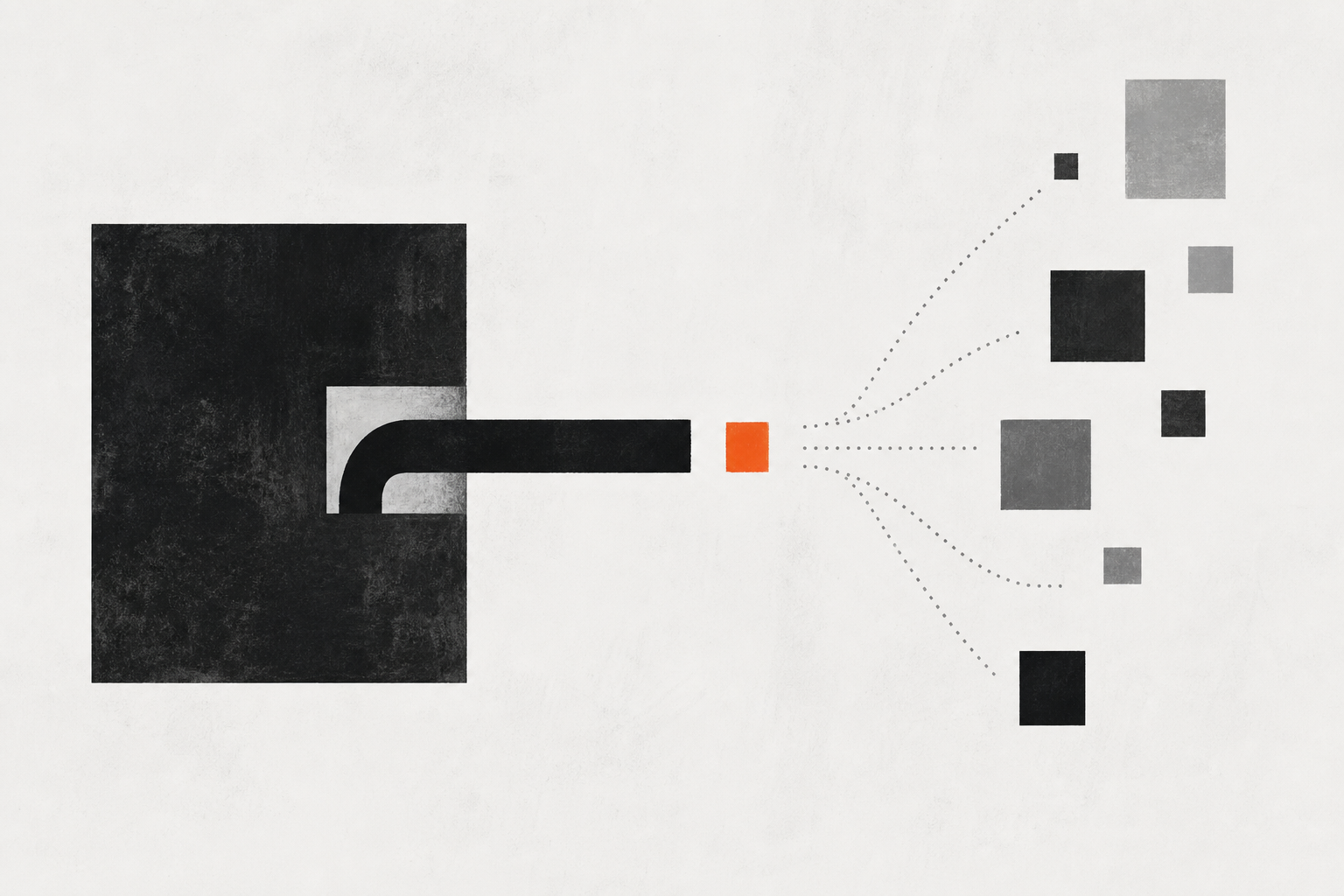
Anthropic is calling this a fundamental shift in how Cowork works. Right now it’s only available to a small slice of its users: Max-plan subscribers, during a beta rollout. That gating is worth sitting with before you take the “runs while your laptop’s closed” framing at face value.
Here’s what’s actually behind it, and it’s more specific than the headline makes it sound.
What Anthropic actually shipped on July 7
Claude Cowork launched as a desktop-only app back in January. On July 7, 2026, Anthropic expanded it to the web at claude.ai and to mobile on iOS and Android, in beta, starting with Max subscribers. The framing in Anthropic’s own announcement was that sessions now run remotely by default: hosted on Anthropic’s servers, saved to your account, able to keep working (and running scheduled tasks) with no device online at all. To push adoption during the beta, Anthropic doubled Cowork’s usage limits through August 5.
Anthropic also disclosed something alongside the launch that’s more interesting than the architecture change. Across a sample of 1.2 million Cowork sessions from more than 600,000 organizations, only 8.7% of usage was software development. The largest slice, 33.4%, was business process work like pulling scattered updates into a report or reconciling a spreadsheet. Content and copywriting made up another 16.4%. Cowork was never mostly a coding tool. It’s already an operations tool for people who aren’t developers, and this release is aimed squarely at that group.
So does it actually run without your laptop?
For some of it, yes. For the rest, not yet, and probably not the way you’d assume.
Anthropic’s own documentation lays out the mechanism, and it splits cleanly into two cases. A remote session’s agent loop and code execution run in an isolated sandbox on Anthropic’s infrastructure, spun up when the session starts and destroyed when it ends. Traffic out of that sandbox is locked to a mandatory proxy and allow-listed destinations, and it can’t reach anything on your private network. Session tokens expire within hours.
The part that matters for us: connector authorization tokens, the ones tied to HubSpot, Gmail, Notion, whatever you’ve connected, never enter that sandbox at all. Connector calls happen server-side. That’s what lets a task like “pull my last ten HubSpot deal updates and draft a summary” run entirely on Anthropic’s servers, checkable from your phone, regardless of whether your laptop is open, asleep, or three time zones away.
Local files and your browser work differently. A remote session reaches those only through the Claude Desktop app running on your actual device, only for folders you’ve connected, and only while that app is online. If a task needs to read a file on your machine, closing the laptop stalls it, the same as before this update. The “no device online at all” line in Anthropic’s announcement is true for connector work and not true for local-file work, and the announcement doesn’t draw that line for you.
Then there’s access. Right now this is a Max plan feature ($100+/month). Pro, at $20/month, still gets Cowork on the desktop app only, with no confirmed date for web or mobile. If your team runs Cowork on Pro seats, none of this changes anything for you yet.
| Task type | Before July 7 | After July 7 |
|---|---|---|
| Connector work (CRM pull, drafting from live data) | Needed the Desktop app open | Runs regardless of device, Max plan only |
| Local file or browser work | Needed the Desktop app open | Still needs the Desktop app open somewhere |
What this does to the line between Cowork and Managed Agents
We’ve drawn a clear internal line for a while now: Cowork is for the work a rep does with an agent, in the room, judgment calls included. Claude Managed Agents is for the work that runs on its own, on a schedule or a trigger, no one watching. We wrote about the scheduled, cadence-based side of that split in our post on Claude’s scheduled agents, and the technical basis for the split was always that Cowork lived on your machine and Managed Agents lived in the cloud.
This update takes a bite out of that basis. A Cowork session no longer strictly needs you at your desk to keep running, at least for connector work. But it doesn’t collapse the distinction. Managed Agents are still built as composable APIs meant to run one agent across many users and many accounts on infrastructure you control. Cowork, even running remotely, is still one person’s session, checkable from their own devices. The line moves. It doesn’t disappear.
The honest read: this is worth watching, not worth rebuilding anything around yet. It’s Max-only, it’s beta, and the finer edges of what “no device online” really covers for a multi-step task aren’t fully confirmed. If you’re on Max and you lean on Cowork for CRM or research work, it’s worth testing directly: kick off a connector-based task, close the laptop, and see what your phone tells you an hour later.
The verdict
If you’re on Max already, start testing this on connector-driven work now. It’s real, and for that slice of work the device-independence claim holds up. If you’re on Pro, or the work you lean on Cowork for touches local files, nothing changes for you today, and there’s no published date for when it will. And regardless of plan, the usage stat buried in the announcement (8.7% coding, most of the rest report-building and drafting) is worth remembering next time someone describes Cowork as a coding tool. It was never really that.
Frequently asked questions
Does Claude Cowork still need my laptop to be open? It depends on the task. Anything that runs through a connector, like pulling from your CRM or drafting from live data, now runs on Anthropic’s servers and keeps going with your laptop closed. Anything that touches a local file or your browser still needs the Claude Desktop app open somewhere, because that’s the only bridge to your device.
Do I need the Max plan to use Cowork on mobile or web? Right now, yes. The rollout started with Max subscribers on July 7, 2026, and Anthropic hasn’t given Pro a date yet. Pro currently gets Cowork on the desktop app only.
What’s actually different about a Cowork remote session versus how Cowork worked before? Before this update, Cowork ran inside the Claude Desktop app on your machine. Now the agent loop and code execution run in a temporary sandbox on Anthropic’s infrastructure, and desktop, web, and mobile are just three ways to check in on the same session.
Does this change how Cowork compares to Claude Managed Agents? It narrows the gap for connector-driven work, since both can now run unattended. It doesn’t touch the bigger difference, which is that Managed Agents are built as APIs for running an agent across many users on your own infrastructure, while Cowork is still one person’s session.
What happens to a Cowork task if I close my laptop mid-session? If the task only needs a connector, like a CRM query or drafting a message from data already pulled in, it keeps running on Anthropic’s servers and you can check the result from your phone or claude.ai. If the task needs a file on your machine, it stalls until the Desktop app is back online.
— Stuart, Hotkey

Claude Sonnet 5's Price Cut Didn't Actually Make Your AI Agents Cheaper
Claude Sonnet 5's per-token price didn't drop. A new tokenizer and default-on reasoning mean real AI agent costs can go up, not down.
Read article →
Your Notetaker Charges Extra to Update Your CRM, and Still Gets a Third of It Wrong
AI notetakers charge extra for CRM write-back, and still hallucinate a third of the time. Here's what to check before you pay for the upgrade.
Read article →
HubSpot's AI Agents Now Charge Per Result. Here's What That Means for Buying vs. Building Sales AI.
HubSpot's Breeze agents now charge per outcome. Here's why that works inside one CRM, and where it breaks down elsewhere in your sales process.
Read article →