The Autonomous AI SDR Is Dead. Here's the Human-in-the-Loop Stack That Actually Works.
Fully autonomous AI SDRs underperformed in 2026. The winning model is human-in-the-loop: AI handles signal detection, research, and drafts. Humans own judgment and send.
In January 2026, LinkedIn banned Artisan, the startup whose autonomous AI SDR, Ava, promised to run outbound without any human involvement. The ban lasted two weeks, got reversed, and generated more press than any cold email Ava had ever sent. But the real story wasn’t the ban. It was what the industry had already quietly figured out: fully autonomous SDR tools weren’t replacing human reps at any meaningful scale.
11x raised $74 million on the premise that AI could handle the whole job. Prospect, research, draft, send, follow up, no humans anywhere in the loop. By early 2026, the numbers said otherwise. Pure-AI outbound configurations underperformed human-led ones on closed-won rate by 22 points. Nearly half of fully automated outreach programs hit deliverability collapse within 90 days. Buyers are sophisticated now. They spot AI-written emails fast: the formulaic opener, the generic value prop, the cadence that sounds like it came from a template. Some actively filter for it.
The problem wasn’t that AI is bad at sales. The problem was that companies removed humans at the wrong stage.
What happened when the humans came out
The appeal of fully autonomous outreach made sense. If AI could handle everything from prospecting through booking, one person could theoretically manage the output of a large team. That was the pitch in 2024 and 2025 when these tools launched.
What companies found in practice: removing the human at the send step destroyed authenticity without fixing the underlying bottleneck. Research was still happening freeform, which meant AI was browsing the web for vague signals and producing generic drafts. The draft goes out automatically. The prospect can tell. They don’t reply, or they mark it spam. Over 90 days, enough of that and your domain has a problem.
The failure didn’t start at the send. It started earlier, in how the research was being done.
The architecture that actually works: Signal, Research, Draft, Human, Send
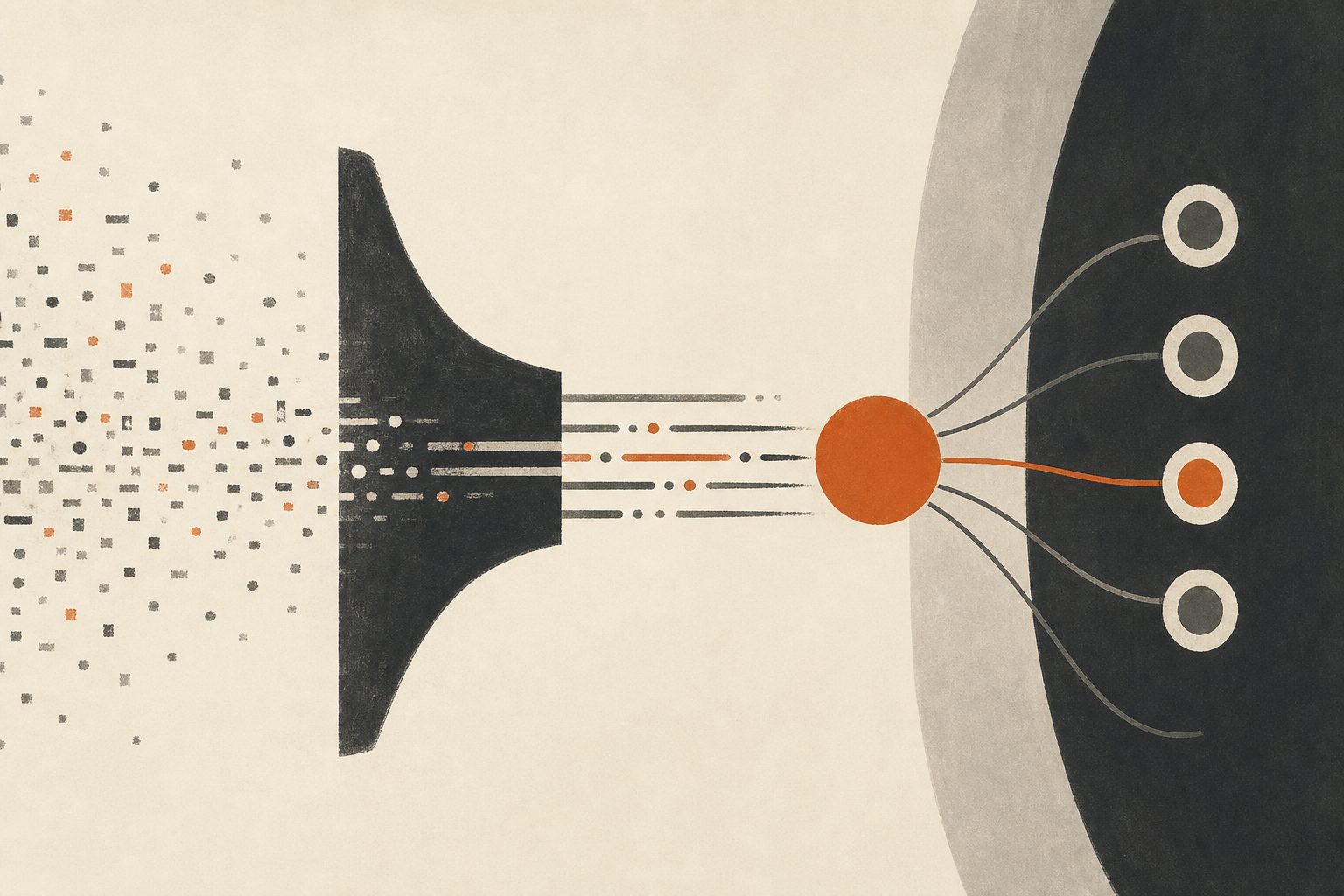
The teams getting real results in 2026 run a five-step model. The AI does the first three jobs. A human does one.
The AI monitors for structured signals: a job change at a target account, a funding announcement, a podcast appearance or published article. These aren’t vague browsing queries. They’re specific, verifiable events. Something happened. The AI researches the prospect based on that signal, not open-ended web search but targeted lookup grounded in the event. Then it drafts a message that references the specific thing it found.
The rep gets a notification, reads the draft in 20 to 30 seconds, adjusts the tone if it doesn’t sound right, and sends. That’s the full flow, and the rep is in it at exactly the right moment.
One rep working this way handles far more outreach than they would doing the research manually, without sending anything that reads like it came from a machine. Amplemarket built their Duo product on this model and published results showing users achieving the equivalent output of five to six reps. One case study showed 6x more replies and a 72% drop in bounce rate after switching from autonomous sends to human-reviewed ones.
Why the signal layer is where it breaks first
Most teams that try to build this model don’t fail on the drafting step. They fail earlier.
Freeform AI research, which means pointing an agent at the web and asking it to find something interesting about a prospect, produces unreliable output. Without a clean input, the agent either makes things up or pulls generic facts that could apply to any company in the sector. The resulting draft sounds like it was written by someone who didn’t actually look anything up. No amount of rep editing fixes a draft with no specific anchor.
Structured triggers solve this. A job change gives you a specific context: they just took a new role, they’re building something from scratch, they have budget decisions to make. A funding announcement tells you the company has capital and pressure to deploy it. Published content tells you what the person is thinking about right now.
Feed any of those specific facts into a Claude agent and the draft has something real to work with. The agent reads the event, pulls supporting context, and writes a message that references the specific thing. That’s what makes it readable as something from a person, not a system.
With Claude Managed Agents, you can build the whole stack as a single coherent flow: signal monitoring via structured APIs, context enrichment based on what’s found, draft generation anchored to the specific trigger, and a review queue that routes to the right rep. The rep doesn’t need to understand how any of it works. They get a ready-to-send draft with a short context note explaining what the signal was.
What changes when you get this right
The obvious change is time. Reps stop spending mornings researching prospects and staring at blank drafts. But the less obvious change is deliverability. When every message that goes out has been reviewed by a human and references something specific and real, your domain reputation holds. You’re not one of the programs that collapses within 90 days because the reply rate fell and the spam complaints started stacking up.
The other thing that shifts is the rep’s relationship to outreach. Research done manually is draining, especially at volume. A 30-second review queue is light work. Reps who used to avoid their outreach blocks tend to find this version of the job easier to stay consistent with. They’re still in every conversation. They just aren’t doing the work that didn’t require a human.
Frequently asked questions
Why did autonomous AI SDRs fail?
The failure wasn’t the AI’s fault. Fully autonomous systems removed humans at the wrong stage. The real problem was upstream: unstructured research inputs that produce generic, detectable output. Buyers in 2026 spot AI-written outreach fast. When they do, they archive it. Deliverability collapses, reply rates drop, and the pipeline stalls.
What is human-in-the-loop outreach?
Human-in-the-loop outreach means AI handles the time-consuming work, monitoring for signals, researching prospects, drafting personalized messages, while a human reviews and sends each message. The human skips the research but owns the final judgment call. This maintains authenticity, protects deliverability, and keeps relationships intact.
What signals work best for AI outreach automation?
The three most reliable triggers are job changes at target accounts, funding announcements, and published content like articles or podcast appearances. Each gives the AI a specific, verifiable fact to draft from. Freeform web research without a structured trigger produces generic output that no human edit can fully fix.
How do Claude Managed Agents work for outreach automation?
A Claude agent monitors for structured signals, researches the prospect based on what it finds, drafts a personalized message grounded in real facts, and queues it for rep review. The rep reads the draft, adjusts tone if needed, and sends. One rep can process far more personalized outreach this way than by doing the research manually.
Is human-in-the-loop outreach scalable?
Yes. The bottleneck in outreach isn’t writing the message. It’s finding the right moment and the right angle. An AI agent handles both. The rep’s time goes to a 30-second review and a send, not 20 minutes of research per prospect. Teams running this model report the equivalent output of five to six reps working without it.
— Stuart, Hotkey

Why Your AI-Written Outreach Keeps Failing (It's Not the AI)
AI SDR tools underperform because most teams skip enrichment. The AI isn't the problem. The data feeding it is. Here's how to fix the layer that actually matters.

What Should You Automate First? Not the Task That Takes the Longest.
Automate the task that gets skipped when your week is busy, not the one that takes longest. A two-question test for picking your first automation.

Claude Sonnet 5's Price Cut Didn't Actually Make Your AI Agents Cheaper
Claude Sonnet 5's per-token price didn't drop. A new tokenizer and default-on reasoning mean real AI agent costs can go up, not down.