Your Notetaker Charges Extra to Update Your CRM, and Still Gets a Third of It Wrong
AI notetakers charge extra for CRM write-back, and still hallucinate a third of the time. Here's what to check before you pay for the upgrade.
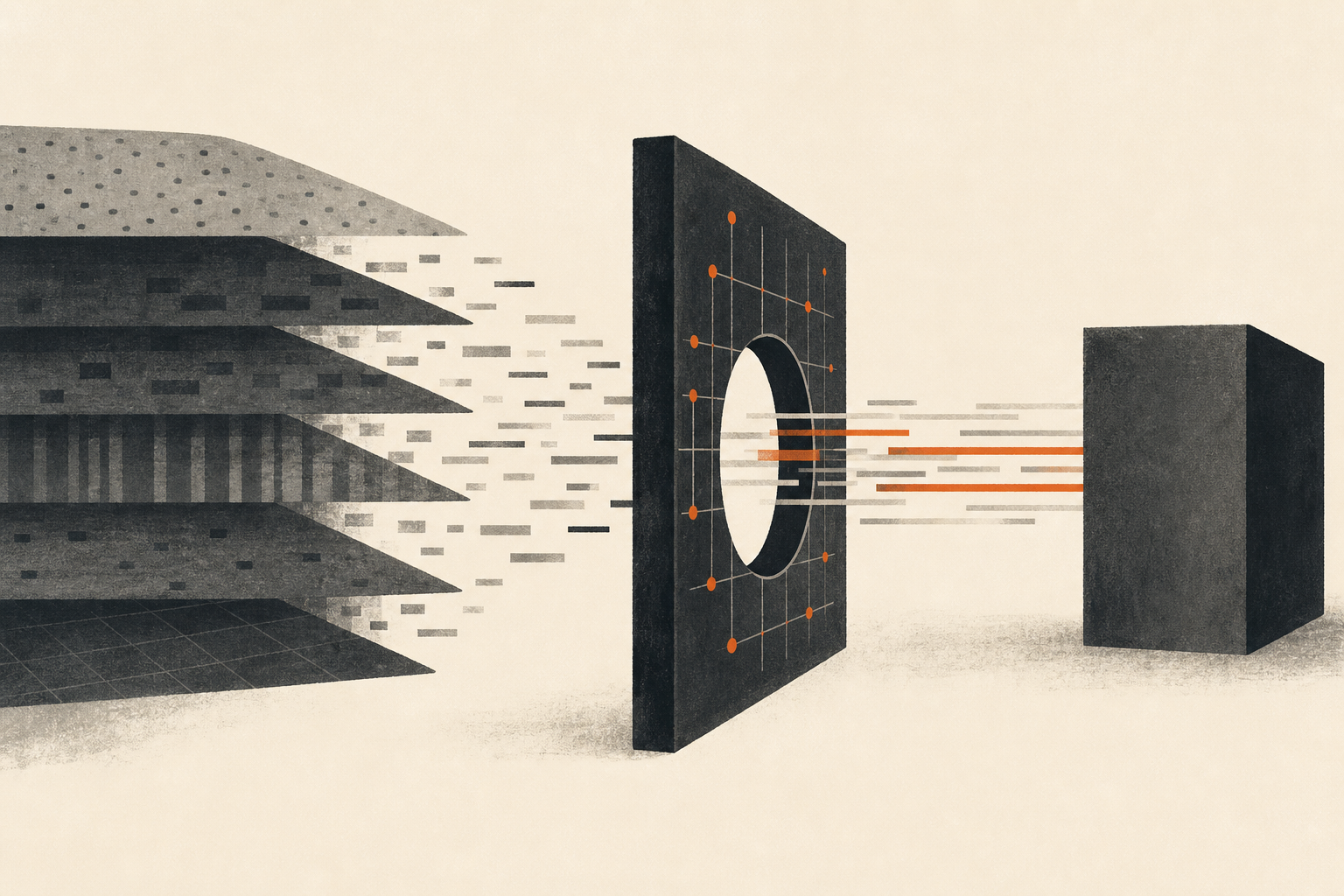
You upgrade the notetaker plan because the CRM write-back feature is finally within reach. A few weeks in, you notice a deal marked “committed to Q3” that was never committed to anything, or a follow-up task assigned to the wrong rep. The feature works. It just doesn’t work the way the pricing page implied.
That’s the actual state of conversation intelligence in mid-2026. The pitch moved from “never take notes again” to “the call writes itself into your CRM,” and for a lot of vendors, that second part is real. Gong’s AI Data Extractor, Fireflies, and Otter all pull structured data out of a transcript and push it into Salesforce, HubSpot, or Zoho fields automatically now. What the pricing pages don’t say as clearly is which plan actually unlocks that, and how often the thing it writes is wrong.
What “CRM integration” costs once you hit the paywall
Every one of these tools lists CRM integration as a feature. Almost none of them mean the same thing by it on every plan. Attaching a transcript link to a contact record is one thing. Writing a structured value into a deal-stage field is another, and that second one is gated behind a specific tier in nearly every case.
Fireflies needs its Business plan, $19 a seat a month billed annually or $29 month to month, before Salesforce or HubSpot sync turns on. Fathom’s write-back sits behind its Business tier, roughly $34 a seat a month. HubSpot’s own native conversation intelligence needs Sales or Service Hub Pro or above before it writes summaries and next steps to deal fields. Salesforce’s Einstein Conversation Insights is bundled into Sales Engagement, somewhere around $50 to $70 a seat a month. Gong doesn’t publish pricing at all. Its base conversation-intelligence tier runs $1,400 to $1,600 a seat a year, and the newer AI Data Extractor sits in a 2026 agentic layer that Gong quotes case by case.
None of this is hidden exactly. It’s just spread across separate pricing pages, separate feature grids, and a checkout flow that doesn’t match the marketing page. A 15-person sales team evaluating “does our notetaker update the CRM” usually finds out the honest answer only after asking sales for a quote.
Why the write-back is still wrong once you’re paying for it
Here’s the part that upgrading the plan doesn’t fix. Vendors advertise accuracy numbers that sound comparable and aren’t. Gong markets 99 percent capture. Otter advertises 95 percent. Capture rate measures whether the tool successfully recorded and ingested the call, not whether it transcribed the words correctly. Independent testing puts Gong’s actual transcription accuracy closer to 85 to 90 percent. None of these figures is disclosed as word error rate against a named benchmark, which is the only way to compare transcription systems fairly.
The closest thing to an honest reference point is Whisper Large-v3, OpenAI’s speech model, benchmarked at about 2.7 percent word error on clean studio audio. Real meeting and phone audio pushes that same model to 8 to 12 percent, several times worse. A sales call is two people on an imperfect connection, using product names and acronyms the model has never seen. Every point of word error is a chance to mishear a number, a name, or a commitment.
That’s before the extraction step, which fails in a more dangerous way because the output looks correct. Industry testing has found hallucinated action items in more than one in three calls, even under near-ideal audio with default prompts. The failure patterns repeat: the model assigns a next step to the wrong person, a hedged “maybe next week” becomes a dated task, an agreement gets invented that nobody actually reached, or a passing comment gets promoted into a headline objection. A human skimming a call recap discounts the parts that feel off. A write-back pipeline doesn’t skim. It commits the field, and that field feeds your forecast.
HubSpot seems to know this. It shipped “Audit Cards” in 2026, a timestamped log on every contact and deal timeline showing exactly which properties an AI agent changed and what data drove the decision. That feature only exists because “what did the AI actually write to my CRM” turned into a real support question.
The consent question sitting underneath all of this
There’s a second problem that has nothing to do with accuracy. Twelve US states, including California, require every participant on a call to consent before it’s recorded. Otter.ai is currently defending a consolidated federal class action, In re Otter.AI Privacy Litigation, alleging its OtterPilot bot joined meetings and recorded participants, including people who never signed up for Otter, without consent. Otter’s motion to dismiss was argued in May 2026, and as of this writing the court hasn’t ruled.
For a B2B service team, this isn’t abstract. If your reps are on sales calls with prospects across different states, or with international clients under GDPR, the consent posture of whichever notetaker you picked is now something you’re personally on the hook for, not just the vendor. It’s worth deciding your consent policy before the bot joins the next call, not after someone asks about it.
Only about a third of sales professionals say they fully trust their CRM data’s accuracy in the first place. Adding an automated write-back layer that’s wrong more than you’d like and legally unsettled on top of that doesn’t close the trust gap. It just moves where the risk sits.
What we build instead of paying for the next tier
None of this is an argument against conversation intelligence. Capture is a solved problem, and a deal record that updates itself is a real improvement over reps who never log a call. The argument is against treating a generic extractor as production-ready just because it’s on the invoice.
For a team that only wants a searchable recap of what was said, the paid tier from Fireflies or Fathom is a fine buy. We wouldn’t tell a client to rebuild that. But the moment call data needs to reliably move the fields that drive forecasting and routing, a generic extractor runs into a problem it can’t solve on its own: it doesn’t know your specific pipeline conventions, and it has no way to know if a call was already logged five minutes ago.
That second part is the one we actually build. Our post-call system checks the CRM for an existing note tied to that specific transcript before it writes anything, so a call never gets logged twice. It writes to a short, deliberately chosen list of fields instead of trying to auto-populate the whole record. And anything that would move a deal stage or a close date goes to a person to confirm first, not straight into the pipeline. Those are the same two disciplines the conversation-intelligence vendors themselves recommend in their own documentation. The difference is we build them in before the first call gets processed, not as a caveat buried under the pricing table.
Once that’s in place, the question stops being which paid tier to upgrade to. Your CRM gets the update either way. The difference is whether a rep spends ten minutes confirming three fields on the calls that matter, or spends an afternoon a month untangling which deal-stage changes actually happened and which ones a transcript imagined.
If you’re deciding whether that upgrade is worth it, our post on why CRM automation makes follow-ups worse covers the same trust problem from the follow-up side, and our piece on HubSpot’s outcome-based AI pricing goes deeper on when a packaged agent is the right buy versus when it isn’t.
Frequently asked questions
Does Fireflies automatically update HubSpot or Salesforce deal fields?
Only on the Business plan ($19/user/month billed annually, $29 month to month). The free and Pro plans will post a transcript, summary, and action items to the contact or deal timeline, but structured field write-back to Salesforce or HubSpot needs Business or higher.
How accurate is AI-generated CRM data from call recordings?
Lower than the vendor accuracy badges suggest. Vendors quote capture rate, not word error rate, and real meeting audio runs 8 to 12 percent word error against a 2.7 percent studio benchmark. On top of that, industry testing has found hallucinated action items in more than one in three calls even under near-ideal audio.
What kinds of mistakes do AI notetakers make when writing to the CRM?
Four repeatable patterns: assigning a next step to the wrong person, turning a hedged maybe into a firm date, inventing an agreement that was never reached, and promoting a passing comment into a headline objection. Each one writes bad data straight into a field that drives forecasting or routing.
Is it legal for an AI notetaker to record my sales calls?
It depends on where the people on the call are located. Twelve US states require every participant to consent before a call is recorded, and Otter.ai is currently defending a federal class action alleging its bot recorded meeting participants, including non-users, without consent. The case is still awaiting a ruling on Otter’s motion to dismiss.
Should we upgrade our notetaker’s plan or build a custom CRM automation instead?
If you only need a searchable call recap, the paid tier is a reasonable buy. If call data needs to reliably move the fields that drive forecasting and routing, a generic extractor is the wrong tool. That needs a system that checks whether a call was already logged before writing anything, writes to a short list of fields on purpose, and puts a person on anything that changes a deal stage.
— Stuart, Hotkey